Recognizing the Metallurgy Behind High-Quality Light Weight Aluminum Foundry Alloys
The Essentials of Light Weight Aluminum Alloys
Although light weight aluminum is extensively acknowledged for its light-weight and corrosion-resistant residential or commercial properties, comprehending the fundamentals of aluminum alloys is vital for appreciating their varied applications. Aluminum alloys are categorized mostly right into 2 teams: functioned and cast alloys. Wrought alloys are formed by procedures such as rolling or extruding, while cast alloys are developed by putting liquified aluminum into mold and mildews.
Each classification is additional identified by a four-digit numerical system, indicating the primary alloying components. The 1000 collection suggests pure aluminum, while the 2000 series includes copper as the main alloying component. The enhancement of other metals enhances strength, workability, and resistance to rust, permitting customized homes suited to certain applications. Comprehending these classifications and their ramifications is crucial for sectors ranging from aerospace to auto, where product performance and integrity are paramount.
Key Features of Shop Alloys
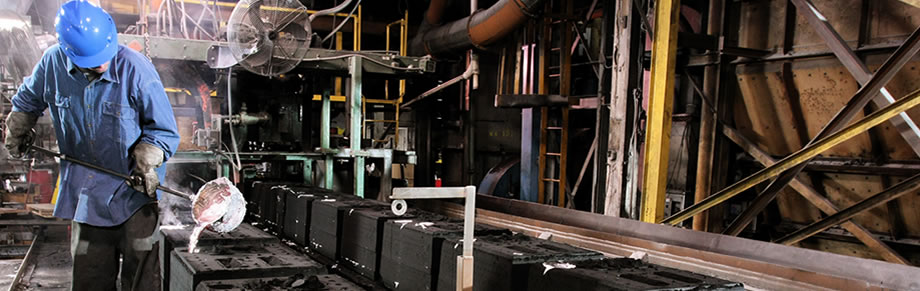
Shop alloys, a part of aluminum alloys, are particularly created for casting applications, and they have distinct features that set them in addition to functioned alloys. These alloys show outstanding fluidness, allowing them to load intricate mold layouts and guarantee harmony in the last item. Furthermore, foundry alloys often have a lower melting factor, promoting easier casting processes and decreasing power consumption during production.
Another vital feature is their enhanced resistance to rust, which is important for elements revealed to rough settings. Factory alloys also demonstrate good mechanical buildings, including stamina and ductility, which are crucial for longevity in numerous applications. Their flexibility to various spreading strategies, such as sand spreading or pass away spreading, more underscores their adaptability. In general, the homes of factory alloys make them ideal for a vast array of industries, from auto to aerospace, adding to the efficiency and durability of cast components.
Structure and Requirements of Light Weight Aluminum Shop Alloys
The composition of light weight aluminum shop alloys is crucial in identifying their efficiency and suitability for numerous applications. These alloys commonly consist of light weight aluminum integrated with components such as silicon, copper, zinc, magnesium, and manganese, each adding certain buildings. For example, silicon boosts fluidity and reduces shrinkage, making it crucial for casting procedures. Copper boosts strength and firmness however can decrease deterioration resistance.
Specifications for light weight aluminum factory alloys, established by organizations such as the Aluminum Organization, assurance consistency and high quality across various applications. Typical alloy classifications, such as 319.0 and 356.0, show particular essential make-ups and mechanical buildings. Conformity with these standards aids makers generate reputable parts, whether for automotive, aerospace, or industrial uses. Comprehending these make-ups and adhering to established criteria are essential for enhancing the mechanical qualities and total stability of light weight aluminum foundry products.
Warm Therapy Processes for Boosted Efficiency
Heat treatment procedures play a pivotal role in boosting the performance of light weight aluminum alloys by modifying their microstructure and mechanical residential or commercial properties. Foundry. These processes commonly include service warmth annealing, therapy, and aging. Option warmth treatment includes heating up the alloy to a certain temperature, allowing alloying aspects to liquify right into the light weight aluminum matrix, which can boost strength and ductility. learn this here now Following this, aging can be carried out, either naturally at room temperature level or synthetically at raised temperature levels, to precipitate strengthening stages that improve firmness and tensile stamina
Annealing, on the various other hand, is utilized to ease internal stress and anxieties and enhance workability, specifically in alloys that have actually undertaken substantial contortion. Each of these procedures should be thoroughly managed to accomplish the preferred balance of toughness, solidity, and ductility, eventually leading to premium aluminum shop alloys that meet stringent efficiency requirements in various applications.
Applications of Aluminum Foundry Alloys in Industry
Aluminum factory alloys are extensively made use of across various markets because of their desirable properties, which come from effective warmth therapy processes that boost their mechanical qualities. In the vehicle sector, these alloys are used to manufacture engine components, wheels, and transmission real estates, profiting from their lightweight nature and excellent strength-to-weight ratio. Aerospace applications likewise profit from light weight aluminum shop alloys for airplane structures and elements, where weight decrease is vital for efficiency and fuel efficiency.
The electric industry relies on these alloys for ports and housings, as they display good electrical conductivity and rust resistance. In building and construction, aluminum foundry alloys are essential for facades, home window structures, and structural aspects, incorporating visual allure with longevity. The versatility of aluminum factory alloys makes them a preferred choice in various applications, ensuring high efficiency and reliability throughout different areas.
Frequently Asked Questions
Just How Does Recycling Affect Light Weight Aluminum Foundry Alloy Quality?
Recycling light weight aluminum can both jeopardize and boost shop alloy top quality. While pop over to this site it reduces basic material expenses and ecological effect, pollutants from recycled sources might negatively impact mechanical properties, demanding careful handling to maintain wanted criteria.
What Are the Environmental Effects of Aluminum Foundry Processes?
Aluminum foundry procedures add to environmental impacts such as greenhouse gas discharges, power intake, and waste generation. Additionally, toxins may influence air and water high quality, highlighting the demand for sustainable practices within the market.

Can Aluminum Shop Alloys Be Bonded Successfully?
Light weight aluminum shop alloys can be successfully bonded, although particular methods and filler products are necessary to accomplish perfect results. Proper preparation and understanding of the alloy's properties add considerably to the top quality of the weld.
What Are the Usual Problems in Aluminum Casting?
Typical flaws in aluminum spreading consist of porosity, contraction tooth cavities, incorporations, and surface area roughness. These concerns can emerge from incorrect mold design, inadequate melting techniques, or contamination, influencing the total top quality and performance of the end product.
Exactly How Do Impurities Influence Aluminum Foundry Alloy Efficiency?
Impurities adversely affect aluminum shop alloy performance by altering mechanical residential properties, lowering deterioration resistance, and endangering general high quality. The existence of components like iron and silicon can result in flaws, eventually influencing helpful resources the alloy's durability and capability.
Aluminum is extensively recognized for its corrosion-resistant and light-weight buildings, recognizing the basics of light weight aluminum alloys is crucial for appreciating their varied applications. Aluminum Casting. Aluminum alloys are classified primarily right into 2 teams: functioned and cast alloys. Shop alloys, a part of light weight aluminum alloys, are especially made for casting applications, and they possess distinct attributes that establish them apart from wrought alloys. Requirements for light weight aluminum foundry alloys, established by companies such as the Light weight aluminum Organization, assurance uniformity and top quality across different applications. Impurities adversely impact light weight aluminum foundry alloy performance by altering mechanical properties, decreasing rust resistance, and jeopardizing total high quality